
Blog
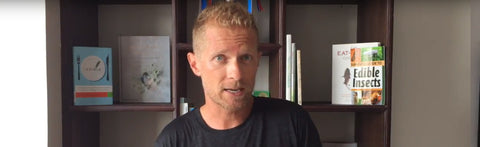
We had a chance to interview Josh who has a very interesting take on the vegan diet. He decided to add insects! So naturally, we were curious how such a diet works for him, what insect based meals he eats, and how he came up with the name entovegan! Let’s go straight into the interview.

Insect farming is sustainable and its environmental impact is negligible compared to the production of other foods. Check out the infographic below and learn how a diet change can make our planet better.
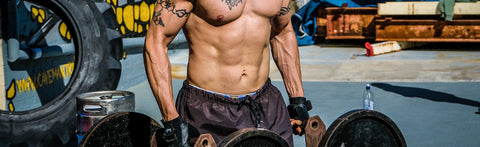
CrossFitters are among the healthiest eating athletes in the world today. Just look at the 2015 and 2016 fittest woman on earth Katrin Tanja Davidsdottir: the bulk of her diet is vegetables, quality meats, and safe, unprocessed starches. She focuses on wholesome paleo friendly foods and it works for her, there’s no denying that.

We are all well aware of the inhumane treatment and killing of animals that goes on in slaughterhouses and concentrated animal farming operations. But there is another much less talked about, but just as real danger to animals: Farming of edible crops.

Je pense que la plupart des gens s'accorderont à dire que faire du mal à tout être capable de souffrir ou de ressentir la douleur est négatif. Malheureusement, nos industries alimentaire et agricole actuelles contribuent régulièrement à cette mauvaise pratique. Que peut donc faire une personne qui veut réduire la maltraitance des animaux tout en profitant de tous les bienfaits nutritionnels des aliments d'origine animale ? La réponse se trouve dans le règne des insectes.

Even in a well-formulated real foods vegan diet there are many possible, even unavoidable, nutrient deficiencies. Several studies have shown that both vegetarians and vegans are prone to deficiencies in B12, calcium, iron, zinc, omega-3 long-chain fatty acids EPA & DHA, and fat-soluble vitamins like A & D. Let’s go through the most common ones and look for a solution that doesn’t involve pills, injections or fortified foods.