
Blog
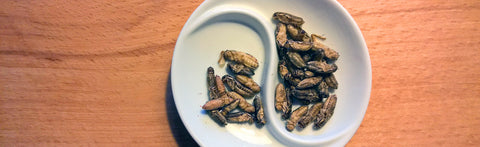
According to a new study published in the Molecular Biology and Evolution journal, the food of choice for our ancestors, insects, could still be eaten and digested by almost all primates today, including humans. We are happy to hear that!
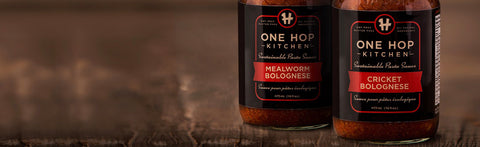
What happened in the world of insect eating in December? You can now buy a Bolognese sauce made with crickets and Italian style baked goods with mealworm. The global edible market is expected to grow substantially and cricket flour is predicted to be one of 2018 food trends.
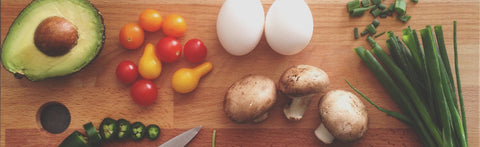
Are you having a hard time losing or maintaining weight? If so, you’re not alone. There’s a billion dollar industry trying to help millions of people with the same thing. The problem is the number of myths, half-truths, and unnecessary details distracting you from the basics. It’s worth taking a step back to revisit the fundamental evidence-based principles that apply to everyone, no matter the starting position. Let’s see how they work and how insects fit in.

A lot of people go vegan to help the planet. But what if you could do something even better than eating plants? According to the FAO, 30% of the world’s agricultural land area is used to produce food that will be wasted. Fruits, vegetables, roots and tubers have the highest wastage rates of any food (roughly 40 – 50 %). That’s a lot! Thankfully, insects can turn all that food waste into protein, vitamins, and minerals.
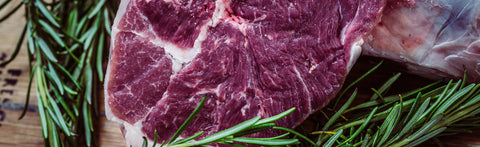
The way we produce protein today is not sustainable and unethical. A change is inevitable. The question is, which protein source is going to become the new norm? Let’s look at meat and plant protein and compare them to insect protein in terms of sustainability, morality, and quality.

What happened in the world of insect eating in November? Edible insects are among top 5 food trends of 2017, world’s first insect bread is available at grocery stores in Finland, you can now order insect dishes on Deliveroo, and much more.