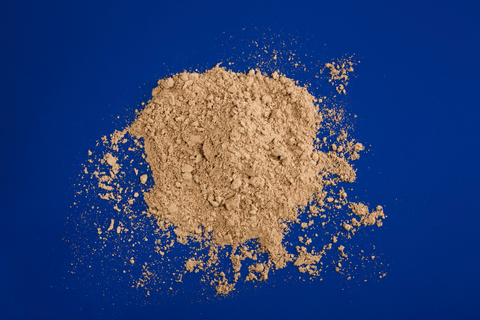
Insect flour is dried, ground insects. Nothing else. Here is what is in it, how it compares with whey and pea protein, which foods it hides in, and how to use it at home.
What insect flour actually is
Whole insects are harvested, heat-treated, dried and milled into a fine powder. There is no extraction, no isolate, no additive. Because the whole animal goes in, the flour keeps the fat, minerals and fibre of the insect, which is exactly what sets it apart from protein powders that are isolates of a single protein.
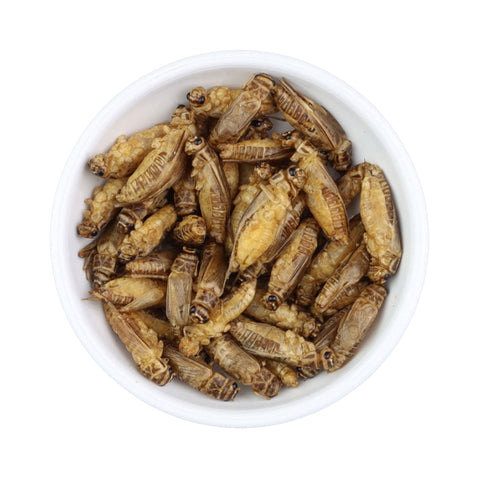
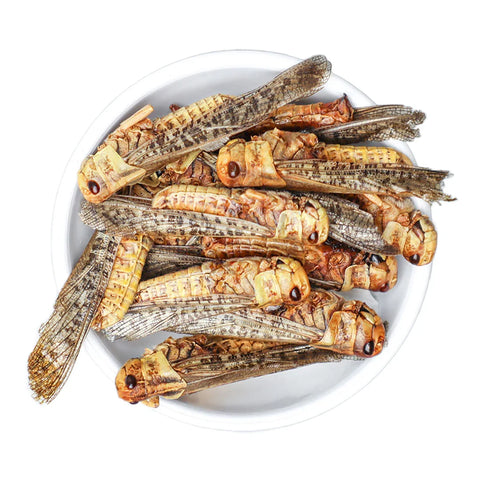
In the EU, four species are authorised as novel foods and can be milled into flour: the house cricket (Acheta domesticus), the yellow mealworm, the buffalo worm and the migratory locust. Sens uses cricket flour, farmed by Cricket One in Vietnam and processed in the Czech Republic.
What is in 100 g of cricket flour
- Protein: around 65 to 70 g. Complete, with all nine essential amino acids. For comparison, chicken breast has about 31 g per 100 g, whey isolate about 90 g, pea protein about 80 g.
- Fat: around 15 to 20 g, mostly unsaturated, with a reasonable share of omega-3 and omega-6.
- Chitin: around 5 to 10 g. An insoluble fibre from the exoskeleton that acts as a prebiotic. Whey and pea protein contain none.
- Vitamin B12, several times the daily requirement per 100 g. Rare outside animal foods and absent from plant proteins.
- Iron, zinc, calcium, magnesium in meaningful amounts; cricket flour has more iron than spinach per gram.
Mealworm and buffalo worm flour run closer to 50 % protein with more fat. Locust flour sits in between.
Insect flour versus whey and pea protein
Whey wins on raw protein percentage and leucine, which is why it stays the standard for post-workout shakes. Pea protein wins on price and is vegan. Cricket flour wins on everything whey and pea leave out: B12, iron, chitin and a fat profile that makes food taste like food. Think of it less as a supplement and more as a nutrient-dense ingredient. It is also lactose-free, which matters to the roughly two-thirds of adults worldwide who do not digest lactose well.
Protein quality scores (DIAAS) put cricket protein in the range of good animal proteins and ahead of most plant proteins, with the caveat that the exact number depends on the study and the processing. We publish our sources in the Sens booklet linked from the cricket protein page.
Which foods contain insect flour
Legally, any food containing insects must name the species in the ingredients and carry an allergen warning, so nothing contains it without telling you. In practice, insect flour shows up in:
- Protein bars, where it replaces part of the whey or soy protein.
- Pasta and crackers, where a 10 to 20 % share lifts the protein content without changing the texture.
- Porridge and breakfast mixes.
- Bread, cookies and pancakes made at home with a small share of insect flour.
The taste of cricket flour is faintly toasted and nutty, and in any of these it disappears behind cocoa, oats or tomato. Nobody notices unless they read the label, which they will, because the label says so.
How to use insect flour at home
- Replace 10 to 20 % of regular flour in bread, pancakes, waffles or cookies. Above 20 % the crumb gets denser and the flavour starts to show.
- Stir a tablespoon into porridge, yoghurt or a smoothie. One tablespoon is roughly 7 g of protein.
- Thicken soups and sauces with it the way you would use ground nuts.
- Store it dry and closed, like any flour. It keeps for a year unopened.
One warning: insects share the protein tropomyosin with crustaceans and house dust mites. If you are allergic to shrimp or dust mites, skip insect flour.
For the full picture, from the four species and what they taste like to how insects are farmed, see our guide to edible insects.