Eating insects is normal for about two billion people and was normal in Europe until a few centuries ago. Here is what it does for you, where the real risks are, and what crickets, mealworms and locusts actually taste like.
Why eat insects at all
Three reasons keep coming up, and they are all measurable.
Protein density. Dried crickets are 60 to 70 % protein with all nine essential amino acids, which puts them level with beef and above most plant proteins. 100 g of cricket flour carries more protein than 100 g of chicken breast, with the difference that it also brings iron, zinc and vitamin B12, a vitamin that is otherwise hard to find outside animal foods.
Chitin. The exoskeleton is made of chitin, an insoluble fibre that behaves like a prebiotic in the gut: human studies with cricket powder have shown growth of beneficial Bifidobacterium and a drop in an inflammatory marker. It is the one nutrient you cannot get from whey or pea protein.
Efficiency. Insects are cold-blooded. They do not burn feed to stay warm, so a far larger share of what they eat becomes body mass. Per kilo of protein, farmed crickets need a fraction of the land, water and feed of cattle, and emit far less greenhouse gas. The exact factor depends on the farm and the study, which is why we publish our sources instead of a single headline number; you will find them in the Sens booklet linked from our cricket protein page.
Is it safe?
In the EU, insects are regulated as novel foods. Each species needs a scientific dossier, a safety assessment by EFSA and an authorisation before it can be sold. Four species have passed: the house cricket, the yellow mealworm, the buffalo worm and the migratory locust. Farmed in closed systems, heat-treated after harvest and lab-tested for microbes and heavy metals, they are among the most controlled foods on the shelf.
The one real risk is allergy. Insects share a protein (tropomyosin) with crustaceans and house dust mites. If you react to shrimp, crab or dust mites, you may react to insects too. Every Sens pack carries that warning. For everyone else, the safety profile is comparable to any other farmed animal food, with one bonus: crickets are too genetically distant from humans to pass diseases to us.
What they taste like
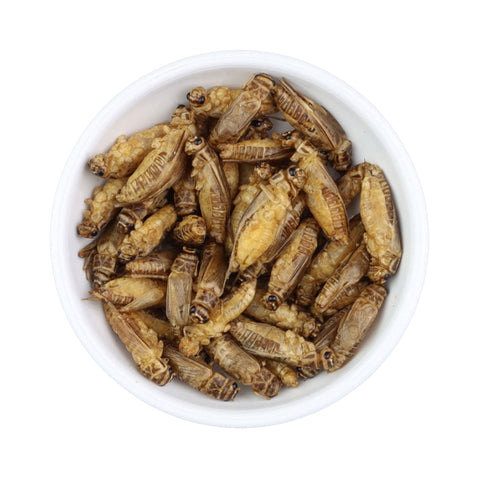
- Crickets roast up nutty and lightly earthy, with a crunch like sunflower seeds. Seasoned with Parmesan, chilli and lime or smoked paprika, they eat like crisps.
- Mealworms are milder and softer, closest to roasted peanuts. If a cricket looks like a step too far, start here.
- Buffalo worms are smaller and milder again, almost neutral. Best for cooking.
- Locusts are the meatiest: a crisp shell and a flavour people compare to roast chicken skin or fried prawns.
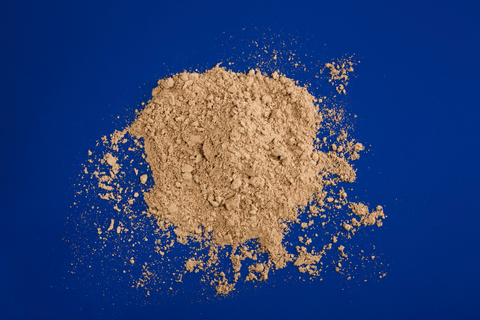
Cricket flour has a faint toasted note and otherwise disappears into whatever you put it in. That is why it works in protein bars, pasta and porridge without anyone noticing.
Why Europe stopped, and why it is coming back
Insects were eaten across the Mediterranean in antiquity (Aristotle wrote about cicadas, the Romans fattened beetle larvae on flour and wine) and in parts of Europe into the 19th century. Cold climates, cheap livestock and a cultural shift that filed insects under "pests" pushed them off the plate. What brings them back is arithmetic: a growing population, a protein supply that cannot scale on beef, and a farming method that fits into a warehouse instead of a pasture.
How to start
- Seasoned first. Parmesan crickets or chilli-lime mealworms, eaten like crisps. Nobody has ever regretted starting there.
- A set, not a single pack. The tasting bundle gives six flavours for the price of two, so you find out what you actually like.
- Then cook. Unseasoned crickets and mealworms toast in a dry pan in two minutes and go onto salads, soups and rice. Cricket flour replaces 10 to 20 % of regular flour in bread, pancakes and cookies.
Everything else, from species and labelling to storage, is in our guide to edible insects.